
To maintain a beautiful and healthy aquarium, choosing the right filter material is extremely important. Aquarium filter material not only provides support for microorganisms but also keeps the water source balanced and clean. The following article by Song Phung Environment will introduce to you the top 11 aquarium filter materials that are popular when playing ornamental fish and aquatic plants, let’s find out now!
Top 11 effective aquarium filter materials
Below is a detailed list of the 11 most effective aquarium filter materials today that you should refer to:
Zeolite
Zeolite is a natural mineral stone that has the ability to strongly absorb ammonia ions (NH4⁺), helping to control the level of toxins in water – an important factor in maintaining the health of fish and aquatic organisms. This is a filter material especially suitable for newly set up aquariums where the microflora has not yet developed stably.
Zeolite has a porous crystal structure and a very strong ion exchange capacity. When water passes through the filter layer containing Zeolite, ammonia ions will be retained and removed from the water environment, thereby minimizing the risk of toxic shock to fish – especially in the first days of rearing.
Instructions for use:
- Zeolite should be used in mechanical or biological filtration.
- Zeolite dust should be washed off before use to avoid clouding the water.
- After 2-4 weeks, it can be reused by soaking the Zeolite in 3-5% salt water to release the absorbed ions, then washed and reused.
Notices:
- Zeolite aquarium filter material should be used in freshwater aquariums, not suitable for saltwater tanks because the absorption efficiency is reduced.
- It should not be used for a long time to completely replace biological filter material, but should be combined with ceramic filter, lava rock, or Matrix to optimize the microbiological system..
Lava rock
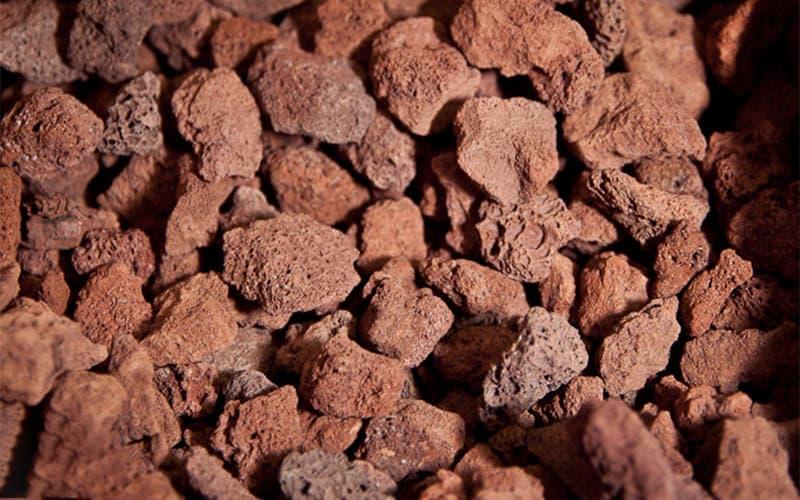
Lava rock is a natural biological filter material for fish tanks, with a porous structure with countless tiny holes, creating ideal conditions for beneficial microorganisms to adhere and develop. These microorganisms play an important role in decomposing organic matter, metabolizing toxic substances such as ammonia (NH3), nitrite (NO2) and nitrate (NO3), helping to clean and stabilize water quality.
Advantages of lava rock:
- Compared to many other biological filter materials, lava rock is cheap, suitable for both professional and beginner aquarium hobbyists.
- Large surface area helps microorganisms grow quickly, supporting a more stable microflora.
- Natural material, does not contain chemicals, does not affect the pH of the water.
- Can be used for many types of aquariums – from aquariums, aquariums, dragon fish to Koi fish tanks.
How to use it effectively::
- Before being put into the filter system, lava rock needs to be thoroughly washed to remove dirt and impurities, avoiding cloudy aquarium water.
- Lava rock should be placed in the biological filter layer, behind mechanical filter layers such as filter cotton or sponge.
- Can be stored in a specialized mesh bag for easy cleaning and replacement when needed.
- Do not pack the rock too tightly to ensure good water circulation through the filter material.
Notes on use:
- In the beginning, the water may be a little cloudy if the rock is not washed thoroughly. Do not use lava rock with impurities or strange colors (unusual yellow, dark red), because it may contain metal oxides that affect the creatures in the tank.
Feather stone
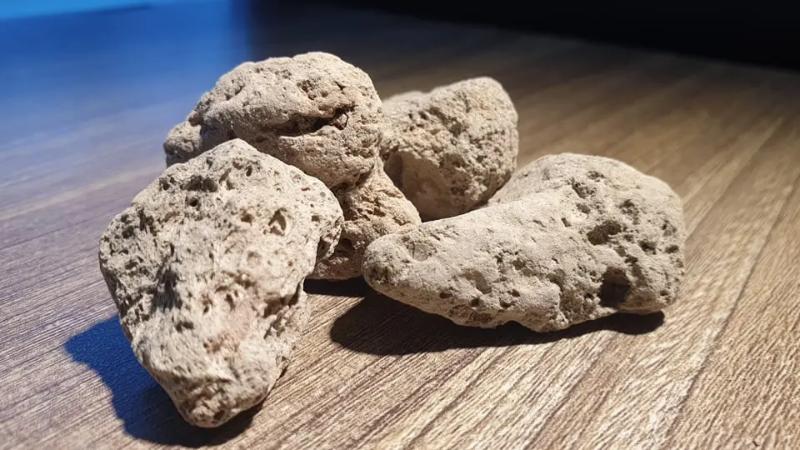
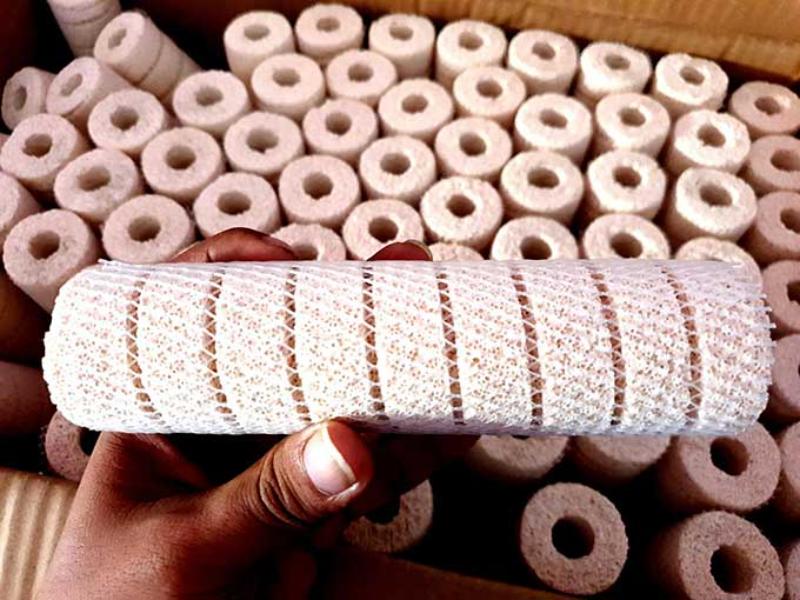
Feather stone (also known as artificial honeycomb stone) is a high-quality aquarium filter material, featuring a light, porous structure and many tiny holes like feathers. This material is produced from a mixture of natural minerals baked at high temperatures, creating a special porous surface that is ideal for microorganisms to grow.
The surface of the Featherstone has millions of tiny holes with a three-dimensional interconnected structure, creating an extremely large surface area for microorganisms to adhere to. Beneficial Nitrosomonas and Nitrobacter bacteria will reside in those small holes, helping to decompose ammonia (NH3) and nitrite (NO2) – two agents toxic to fish – into nitrate (NO3), which is less toxic. Thanks to that, the water quality in the tank is always stable and safe for aquatic organisms.
Outstanding advantages of feather stone:
- Super porous – super light: Capable of holding many times more microorganisms than regular lava rock.
- Powerful biological filtration: Effectively processes ammonia, nitrite, nitrate, keeping water clear and stable.
- Does not change pH: Does not affect the water environment, suitable for sensitive aquariums.
- Long life: Does not corrode quickly, can be reused after proper cleaning.
- Easy to use: Can be used in overflow filters, tank filters or professional compartment filtration systems.
Instructions for effective use:
- Rinse thoroughly with water before putting into the filter system to remove dirt and impurities. Place the feather stone in the biological filter layer – after the mechanical filter cotton layer to create a stable environment for microorganisms to grow. Do not compact the stone, let water flow easily through the gaps of the material.
Notice:
- It is necessary to combine with a good mechanical filtration system to avoid large dirt clogging the stone surface.
- Microorganisms need time to develop, so it is recommended to use probiotics in the early stages to increase efficiency.
Activated Carbon
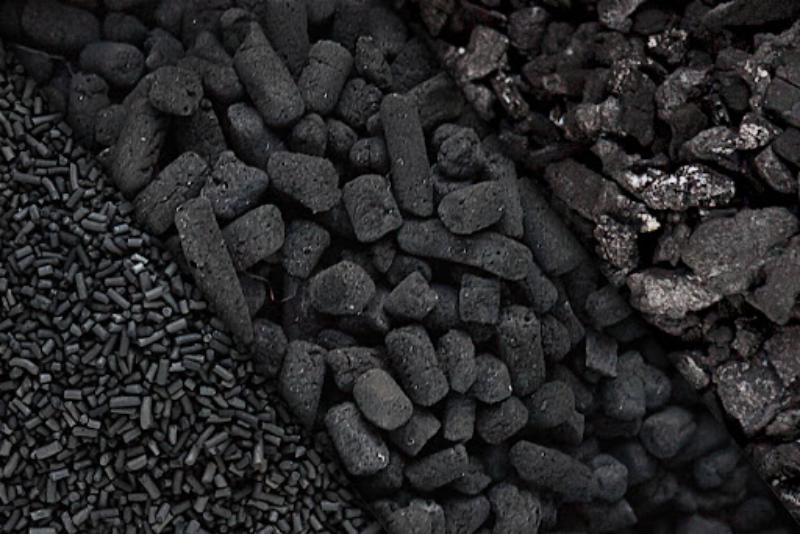
Activated carbon is one of the important and popular filter materials in aquarium filtration systems thanks to its ability to effectively handle dissolved impurities, deodorize and color water. This material is often used in combination with mechanical and biological filters to ensure that the water in the tank is always clean and safe for fish.
Origin and structure:
Activated carbon is a form of carbon that has been processed at high temperatures under anaerobic conditions, making the surface of the carbon extremely porous with countless tiny holes. The raw materials for producing activated carbon are very diverse, commonly from coconut fiber, rice husks, straw, bamboo or coal. Activated carbon products for aquariums are usually in the form of tablets, powder or small granules.
How it works:
Activated carbon works based on the principle of adsorption – water-soluble impurities such as toxic chemicals (chloramine, residual chlorine, heavy metals), fishy odors, colorants, etc. will be retained in the porous structure of the carbon. This is an extremely effective chemical filtration process that other materials cannot replace.
Benefits of activated carbon:
- Effective water purification: Quickly absorbs organic impurities and toxic chemicals.
- Good deodorization: Eliminates fishy and foul odors from leftover food, fish feces, or medication.
- Keeps water clear and bright: Limits discoloration or turbidity.
- Easy to use: Suitable for most filtration systems such as overflow filters, tank filters, hanging filters, etc.
How to use:
- Rinse the activated carbon with cold water before putting it into the tank to remove fine dust.
- It is recommended to put the carbon in a special mesh bag for easy replacement and to avoid clogging the filter system.
- Use in the chemical filter layer, after the mechanical filter layer and before the biological filter layer.
Notice when using activated carbon:
- Activated carbon should not be used continuously for a long time (usually replaced after 1-2 months), because when overloaded, the carbon can release the absorbed toxins.
- Should not be used at the same time as fish medicine, because the carbon can absorb the active ingredients of the medicine, reducing the treatment effectiveness.
- Does not affect the pH or hardness of the water, so it is safe for ornamental fish and aquatic life.
Porcelain filter
Ceramic filter media is a popular biological filter material and is preferred in many aquarium filtration systems thanks to its characteristic porous structure with thousands of tiny holes. This structure helps increase the contact surface area, creating an ideal environment for beneficial bacteria such as Nitrosomonas and Nitrobacter to reside and grow.
Main function of Porcelain Filter:
- Create habitat for microorganisms: Supports the decomposition of ammonia and nitrite – toxic substances harmful to fish – into less toxic nitrates.
- Deodorizing, reducing turbidity: Thanks to the ability to support the stable development of microorganisms, ceramic filters help water become clearer, less smelly and easier to control.
- Improve water quality: Some high-end ceramic filters also help balance pH and improve the taste of water, creating an ideal living environment for fish and aquatic plants.
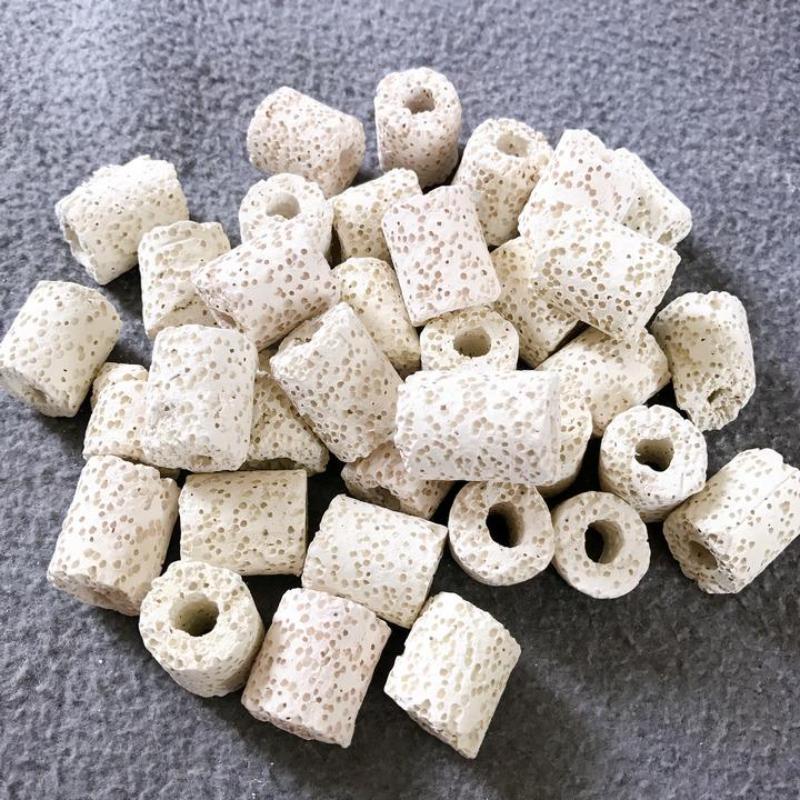
There are many different types of ceramic filters on the market, some of the most popular include:
- Yellow apricot blossom filter ceramic: Reasonable price, easy to use, clean and good quality.
- Bio-pore filter ceramic: Multi-purpose, can be used for external filtration, top overflow or bottom overflow.
- Yellow ball ceramic: Usually used for external filtration.
- Salt and pepper ceramic: Variant of yellow apricot blossom ceramic, better material and higher price..
Outstanding benefits:
- Friendly and durable, long lasting if cleaned properly.
- Does not affect pH, safe for sensitive aquarium fish.
- Easy to install in filter compartments or tank filters, overflow filters.
Notice when use:
- It is necessary to clean it before putting it into the aquarium to remove dirt during the production process.
- Do not replace all the filter ceramics at the same time to avoid losing the stable microflora.
- It is recommended to combine filter ceramics with mechanical filter materials such as filter cotton and filter sponge to achieve the highest efficiency.
Ceramic filter
Ceramic filter is one of the popular biological filter materials and is highly appreciated for its ability to maintain a stable microflora in the aquarium. This product is made from natural clay, then undergoes a high temperature firing process – usually from 1000 to 1300 degrees Celsius – to create a highly durable porous structure.
Due to the high temperature firing process, the bonds in the clay are broken, creating a porous, hollow structure with many tiny channels. These small holes significantly increase the surface area, which is an ideal place for nitrifying bacteria (beneficial bacteria) to adhere and multiply. This helps to effectively treat toxic substances such as ammonia (NH3) and nitrite (NO2⁻) in the aquarium.
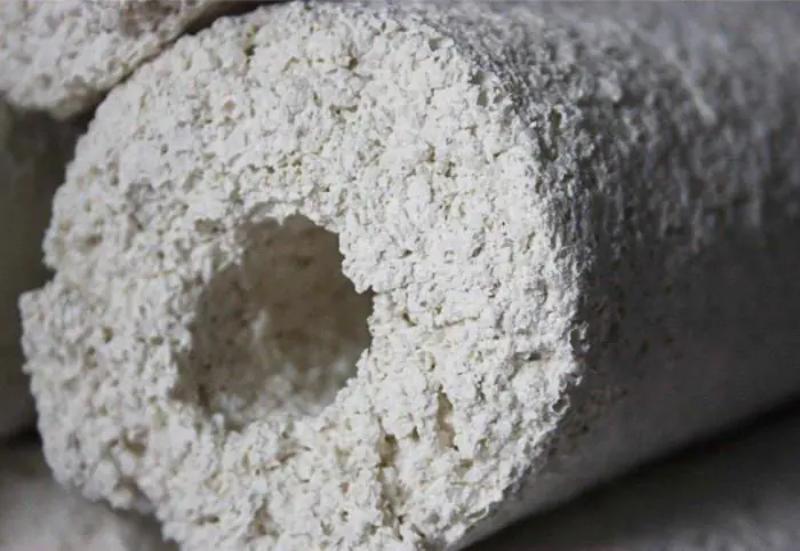
One of the most advanced ceramic filters available today is Bacteria House, which is produced by firing for 60 hours at 1300°C. This process not only gives the product superior porosity but also incorporates natural minerals that are beneficial to fish and aquatic life.
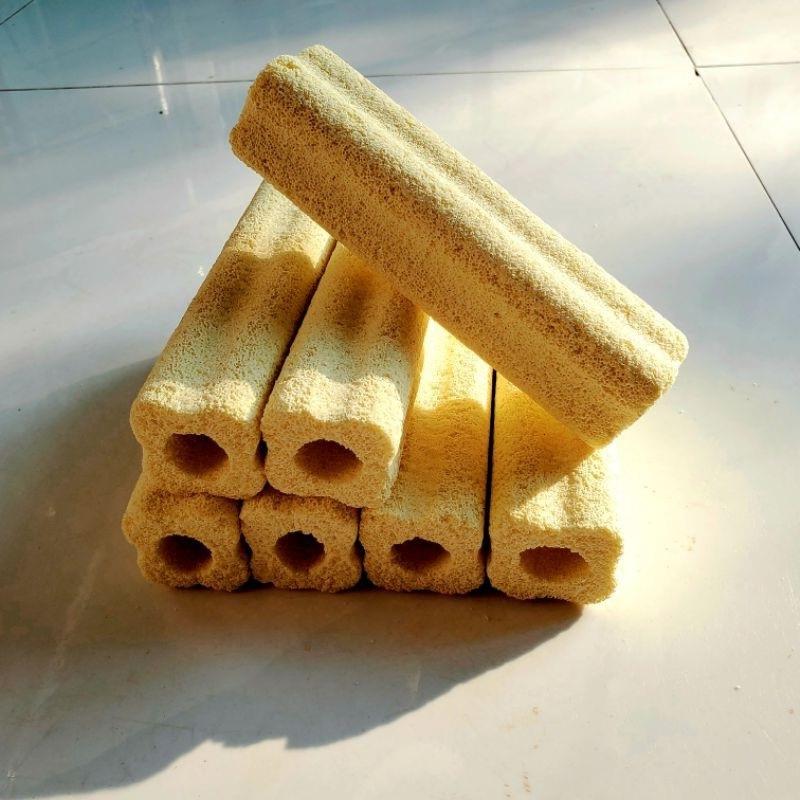
Porcelain with apricot flowers
Plum blossom porcelain consists of millions of tiny holes on the surface of the porcelain body, bringing great benefits to fish tanks and aquariums. This type of aquarium filter material does not increase the pH of the tank, but on the contrary, controls the growth of algae, eliminates harmful bacteria and does not contain impurities such as lava rock. When you buy it, you only need to wash it 1-2 times and you can use it immediately.
Filter coral
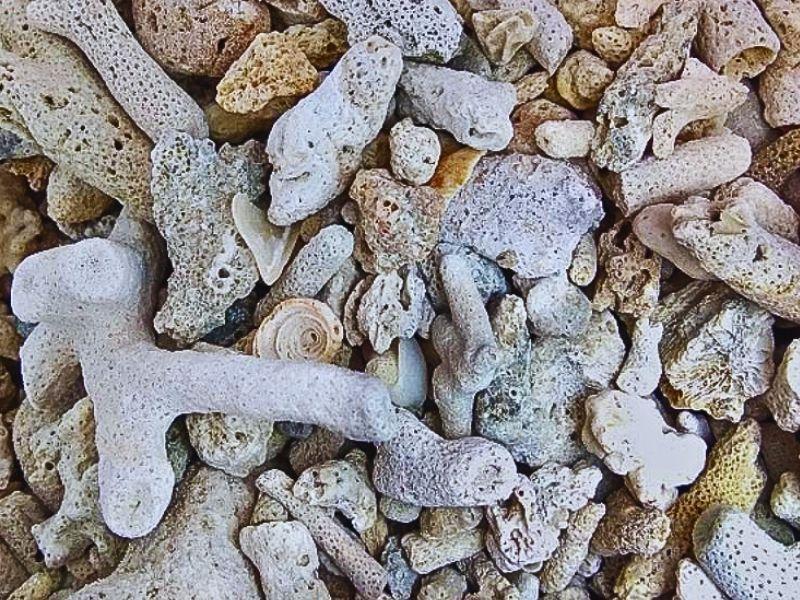
Filter coral has the main ingredient of CaCO3, which helps increase the pH of the water, suitable for fish living in alkaline water environments such as sea fish. In the filtration system, coral will be placed in compartment two to provide shelter for fish and remove organic substances that the filter membrane cannot filter. Therefore, this type of aquarium filter material is also suitable for filtering fish ponds, aquatic plants, especially La Han, goldfish, koi fish,..
J-mat
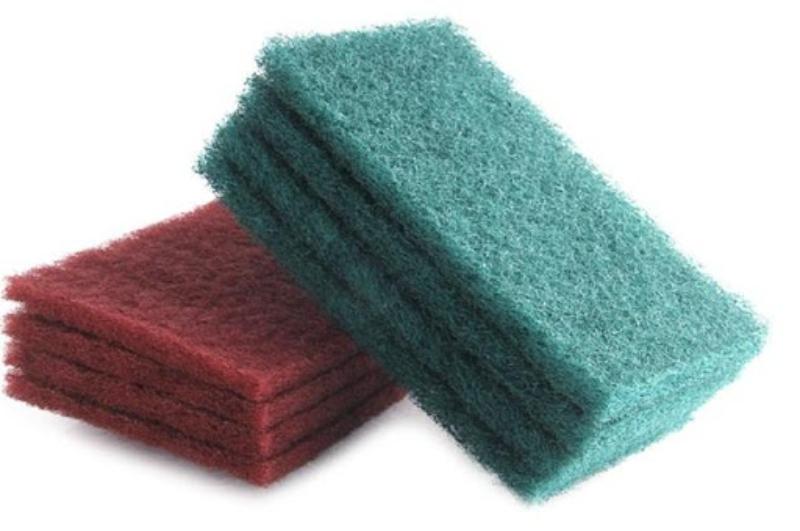
J-Mat,, is a type of aquarium filter material made from synthetic virgin resin that is durable, safe and non-toxic to fish. The crisscrossing fiber structure of J-Mat creates a dense network that both provides effective mechanical filtration and provides an ideal habitat for beneficial microorganisms to grow.
Outstanding uses of J-mat:
- Mechanical filtration: Retains dirt, waste, excess food and suspended particles in the water.
- Biological support: Thanks to its large surface area and porous structure, the sponge creates ideal conditions for microorganisms to thrive, thereby supporting the decomposition of organic matter, nitrite and ammonia.
- Improved water quality: Some high-end sponges also incorporate minerals and trace elements to help supplement nutrition for fish and stabilize the water environment.
Notice when using:
- It is recommended to combine steel wool with ceramic filter or lava rock to optimize biological filtration efficiency.
- Periodically clean lightly to retain beneficial microorganisms without reducing filtration efficiency.
Kaldnes beads
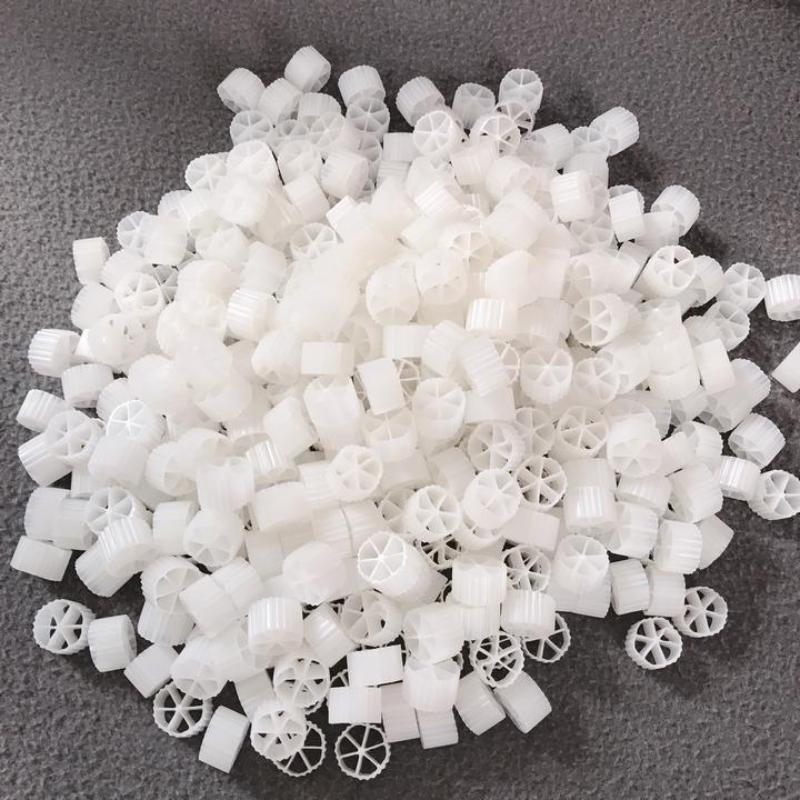
Kaldnes beads are made from durable HDPE plastic, which can be used for a long time without being crushed or deformed. This material is specialized for placing in the pump compartment of arowana tanks with the characteristics of being light, not blocking the flow and having a large surface area for filtering. If you want to maximize the advantages of Kaldnes beads, you need to design a filter tank that can meet its specific characteristics.
Please refer to filter products at Song Phung:
- Quartz sand for water filtration
- Vietnam Manganese Sand
Fish tank filter cotton
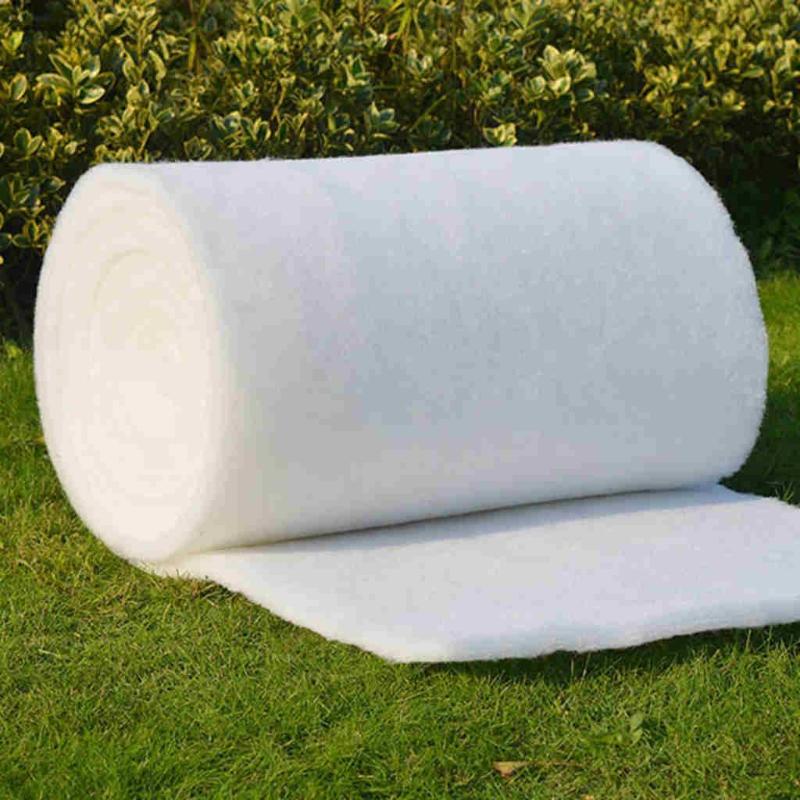
Aquarium filter cotton is the cheapest aquarium filter material on the market. Aquarium filter cotton can filter dust, water or liquids, commonly used to filter in the living environment of fish, shrimp,… The advantages of filter cotton are high durability, good ventilation, easy to clean and reuse many times.
Plastic Ball
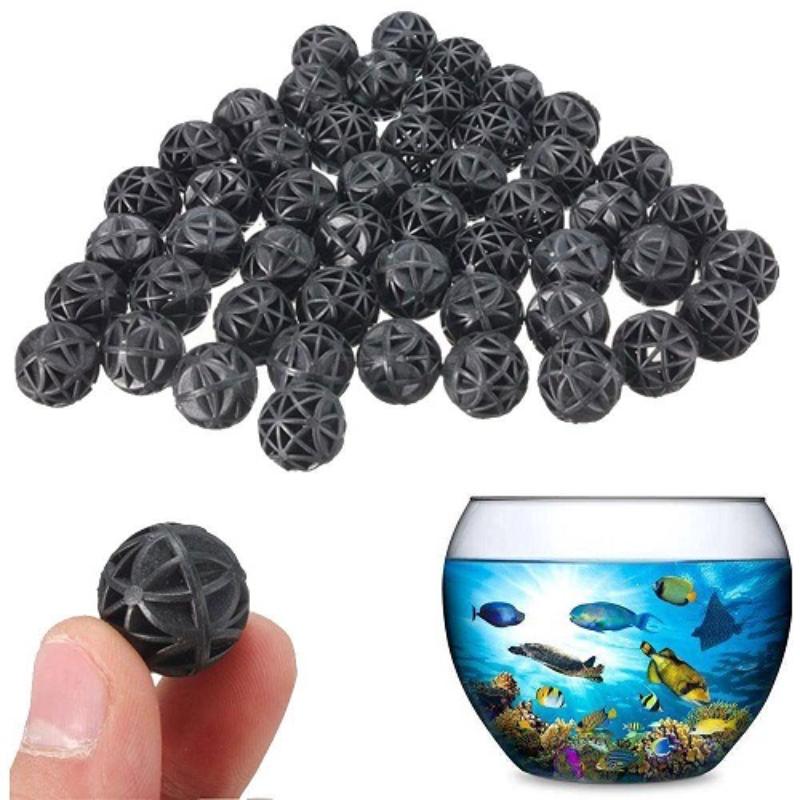
Plastic balls are one of the popular aquarium filter materials thanks to their low cost and high efficiency. Usually made from safe virgin plastic, plastic balls have a round design with many grooves or small holes on the surface, helping to increase the contact area with water and create an ideal environment for nitrifying bacteria to reside.
Main uses of plastic balls:
- Support biological filtration: The small slots and grooves on the plastic ball allow microorganisms to adhere and grow, helping to decompose toxic compounds such as ammonia (NH3) and nitrite (NO2⁻).
- Enhance gas exchange: Helps water flow evenly, supporting the oxidation process of toxic substances in the filtration system.
- Cheap, easy to use: Only about 2,000 VND/ball, plastic balls are an economical choice and suitable for both small aquariums and large filtration systems.
Aquatic plants
Aquatic plants not only help beautify the aquarium but also play an important role in natural water filtration. They absorb toxic substances such as ammonia, nitrite and nitrate – compounds often produced from fish waste, leftover food and decomposition processes in the tank. In addition, aquatic plants also help provide dissolved oxygen, stabilize the microflora and prevent harmful algae growth.
Some popular and effective aquatic plants for filtering aquarium water include:
- Egeria densa: Quickly absorbs toxins and provides abundant oxygen.
- Japanese duckweed, duckweed: Quickly filters fish waste, heavy metals and provides shade for the aquarium.
- Aquatic anubias (Anubias): Stable filtration, easy to grow, requires little care.
- Java fern: Creates a habitat for beneficial microorganisms, supports biological filtration.
- Japanese grass: Helps filter the substrate, absorbs sediment and enriches oxygen.
- Aquatic pothos: Removes toxins, easy to grow, just soak the roots in water.
- Water hyacinth: Absorbs nitrate and creates a vibrant landscape for the tank.
- Aquatic gun: Both filters water and provides shade to prevent algae growth.
Aquarium water filter materials – Mechanical filter group
Vacuum filtration system
Vacuum filtration systems work by creating low pressure (vacuum) to draw water through a filter membrane. The main advantages of this method are:
- High filtration efficiency, especially with very small particles that conventional mechanical filters cannot retain.
- No chemicals required, safe for fish and the aquatic environment.
- Reduces algae and bacteria thanks to the fine filtration mechanism.
Vacuum filtration is often used in large koi ponds or outdoor landscape ponds that require high water quality.
Water filtration system through filter
This is a common system in both small and large aquariums. Water is passed through chambers or boxes containing filter media such as:
- Mechanical filter: Filter cotton, sponge, filter cloth to remove dirt.
- Biological filter: Includes materials such as filter porcelain, lava rock, filter ceramic to help beneficial bacteria grow, decompose toxins.
- Chemical filter: Activated carbon, zeolite… helps detoxify, absorb odors and heavy metals.
This system can be placed under the pond (underflow filter) or filter outside the pond (overflow filter, tank filter), depending on the design.
Instructions for arranging aquarium filter materials
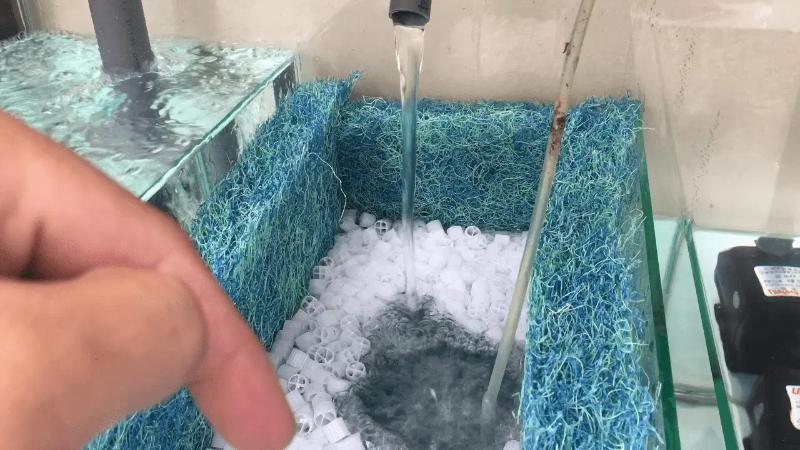
The arrangement of filter materials in the aquarium has a direct impact on the water quality and health of the fish. The arrangement will depend a lot on the size and number of filter compartments. The basic principle when arranging for beginners is to arrange from coarse materials to fine materials.
- Input compartment: Choose a filter bag or filter brush to retain fish waste, go to the last compartment for fine filtration. You can choose aquarium water materials such as ceramic bars, perforated ceramic filters.
- Middle compartment: Arrange many Jmat, Kaldnes micro filter beads.
- Last compartment: Chemical filter compartment, often using materials such as charcoal, asren stone, … In the last compartment will be water poured into the pond or the pump will bring water into the pond.
More research: How to make an effective sand and gravel water filter tank, detailed steps
Notes when buying aquarium water filter materials
To get the best quality of aquarium water, here are some things you should know:
Note for each type of filter used:
-
.
Note on the type of ornamental fish being raised
- For large fish, you should choose specialized filter materials such as filter nets, volcanic rocks, etc. and combine them with small, medium-sized filter bags. For fish that eat well and need a good living environment, choose a filter and materials that can handle the amount of wastewater discharged each day based on the area of the pond. Pay attention to the appropriate pH for each type of fish, avoid the case of fish losing pH, especially for fish such as discus fish, ornamental shrimp, etc.
Thus, through the above article, Song Phung Environment has introduced to you 11 types of fish tank filter materials most commonly used on the market. If you are looking for information about filter materials, please contact us immediately via Hotline 0984 620 494 for dedicated advice!
Reference materials for other cases:
- TOP 9 best well water filter materials on the market
- TOP 4 most effective and best limestone water filter materials today
- TOP 3 most effective and best iron-contaminated water filtering materials today